Blog | | 4 min read
What to cook when you only have pantry staples
Real dishes built from shelf-stable basics like rice, canned tomatoes, lentils, and dried spices, no fresh grocery trip needed.
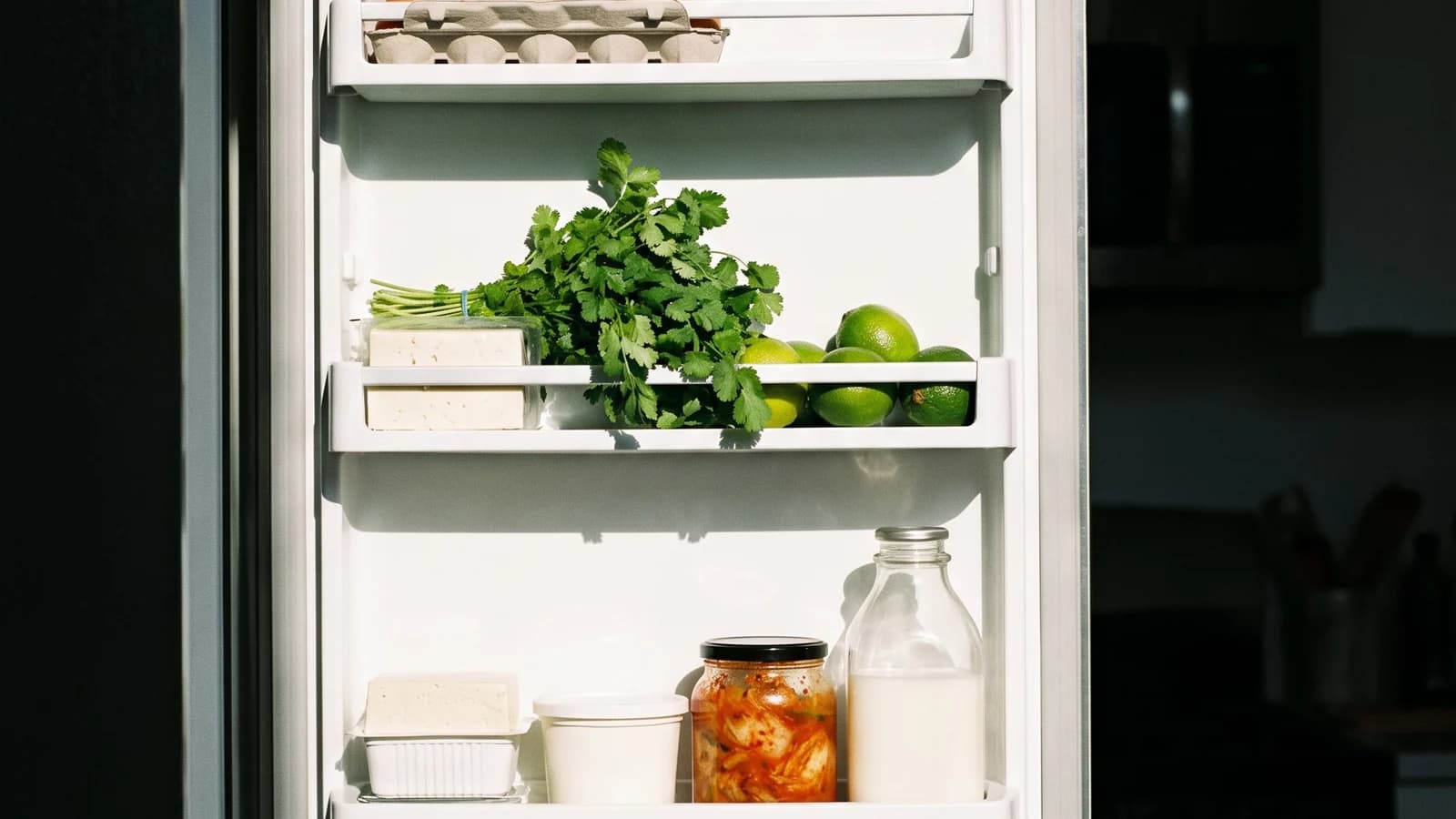
A surprising number of real dishes, not just plain rice and beans, come from shelf-stable staples: canned tomatoes, dried or canned legumes, rice, onions, garlic, and a spice or two. The trick is knowing which combinations turn into an actual dish instead of a sad bowl of whatever is left.
What counts as a "staple" here?
Things that keep without refrigeration, or last weeks in the pantry: rice and other grains, dried or canned beans and lentils, canned tomatoes and tomato paste, onions and garlic, cooking oil, vinegar, soy sauce, and a small set of dried spices. Shelfcook lets you flag pantry items as staples specifically so they stay counted, even weeks after you last opened the app.
What can staples alone actually become?
Real examples, pulled from staple-heavy ingredient lists:
- Chickpeas, onion, tomatoes, ginger, garlic, and garam masala: chana masala, a North Indian dish from Punjab that is vegan as written.
- Red lentils, onion, berbere, garlic, and tomato paste: misir wat, an Ethiopian stew that keeps well and reheats better the next day.
- Black-eyed peas, palm oil, tomatoes, onion, and ginger: red red, a Ghanaian stew traditionally served with fried plantain.
- Long-grain rice, tomatoes, red bell peppers, onion, and curry powder: jollof rice, cooked across West Africa.
None of these need a trip to the store if your pantry is already stocked the way most kitchens tend to be by default.
What if my staples-only pantry is missing a protein?
A lot of staple pantries lean on canned or dried legumes for exactly this reason. Chickpeas, black-eyed peas, and red lentils all carry real protein and turn into a full dish on their own, not a side dish waiting for meat. Chana masala, red red, and misir wat above are all built this way; none of them need a freezer to be a complete dinner, which is useful on the nights the freezer is as bare as the fridge.
How is this different from a generic "five-ingredient recipes" list?
Generic staple lists online tend to flatten everything into the same handful of shortcuts: pasta with jarred sauce, rice and beans, a stir-fry. Those work, but they get old fast, and they are not really drawing on a specific culinary tradition, just a lowest common denominator. The dishes above are real, regionally specific dishes: chana masala is Punjabi, misir wat is Ethiopian, red red is Ghanaian, jollof rice traces to Senegambia and is cooked across Nigeria and Ghana today. Staples do not have to mean bland.
Why does this matter more than it sounds like it should?
Because the moment you are staring at a pantry with no fresh produce, decision fatigue kicks in fast, and it is easy to default to plain pasta or cereal for dinner. Having a real dish in mind, built from what is already shelf-stable, is the difference between a satisfying meal and giving up on cooking that night entirely.
How does Shelfcook know what is a staple in my kitchen?
You mark it when you add it, whether that is by photo, barcode, or typing it in. A bag of rice or a case of canned tomatoes gets flagged once and stays counted in every future match, so Shelfcook does not need you to re-photograph your pantry every week just to remember you have rice.
Does this work for dietary restrictions too?
Staple-based dishes tend to be naturally flexible. Chana masala and misir wat are both vegan as written. Jollof rice is dairy-free and halal. Shelfcook checks a dish against your household's diets and allergens either way, so a staple-based suggestion still respects who is actually eating it.
What if I have staples but I am missing one or two spices?
Shelfcook shows the gap and builds a grocery list for just what is missing, not a full shopping trip. Sometimes that is a jar of berbere or a can of chipotles in adobo. Sometimes it is nothing at all, because what is already on the shelf is enough on its own.
What does this cost to try?
There is one free scan preview to see how the matching works, then a 7-day free trial. After that, it is $9.99 a month or $59.99 a year, with 40 photo scans and 150 recipe generations included each month; manual entry and saved recipes are unlimited either way.
Do I need a fully stocked spice cabinet for any of this?
No. Every dish above leans on a short list of spices, not a wall of jars: curry powder, garam masala, berbere, dried oregano. A well-chosen small set of dried spices covers a wide range of staple-based dishes across cuisines, which matters more than owning forty jars you use twice a year.
This kind of pantry-first matching is what Shelfcook is being built to do well. It is not in the app stores yet. Join the waitlist to try it when it opens.
Nutrition figures are estimates. Allergen flags are best effort and say so. Shelfcook makes no health claims.